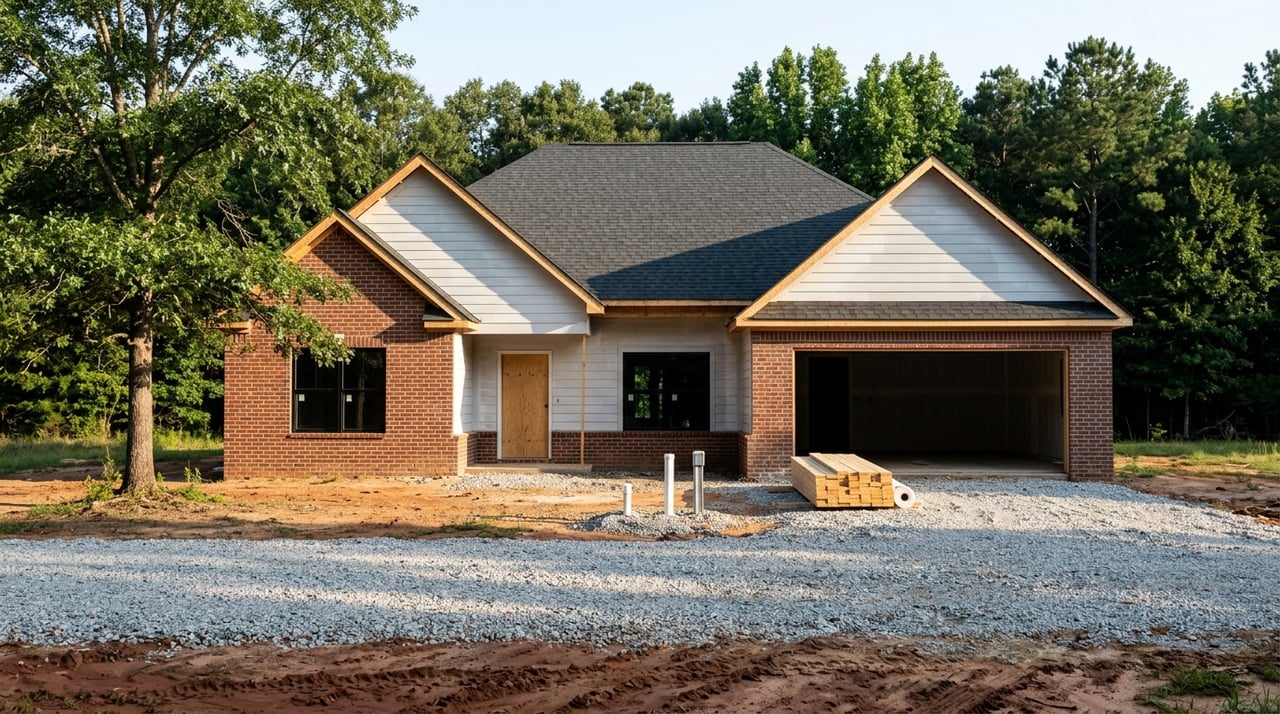
Thinking about buying land or building a new home in Fayette County? It can be an exciting path, but it also comes with more moving parts than buying an existing house. If you want more space, a custom plan, or a homesite that fits your goals, it helps to know what to check before you commit. This guide walks you through the key steps so you can move forward with more clarity and fewer surprises. Let’s dive in.
Why Fayette County Appeals to Buyers
Fayette County offers a range of land opportunities, from smaller homesites to much larger acreage tracts. Current active listings show examples as small as about half an acre and as large as more than 185 acres, which suggests buyers can find both subdivision-style lots and more rural properties depending on availability.
That variety is helpful, but it also means no two parcels are exactly alike. In Fayette County, the right lot is not just about size. Frontage, width, zoning, access, and utility options can all shape whether a property is practical for your plans.
Start With Buildability
Before you focus on house plans or finishes, make sure the land can support the type of home you want to build. Fayette County zoning rules show that lot width and district standards can matter just as much as total acreage.
According to a Fayette County zoning amendment, single-family dwellings in R-1 or R-2 require 300 feet or more of lot width at the site. A separate county amendment also notes 30-foot setbacks where the minimum lot size is one acre. That means a parcel may look large enough on paper, but still need closer review before it works for your build.
If you are considering a rural tract, a subdivision lot, or a parcel with unusual dimensions, buildability should be one of your first conversations. This is one area where local guidance can save you time and money.
What to check early
Before you go too far, review these items:
- Zoning district
- Lot width and road frontage
- Setback requirements
- Whether the parcel fits your intended home type
- Whether additional county review may be needed
Understand Septic Before Anything Else
For many Fayette County land purchases, septic is the first major test. If the parcel is not served by public sewer, you may need septic approval before the rest of the project can move forward.
The State of Tennessee septic system permit guidance says a septic system construction permit should be obtained before dirt work or building-pad construction begins. Fayette County’s permit guidance follows that same sequence and states that no clearing or grading should occur before the wastewater permit is issued.
This matters because buyers sometimes assume they can buy raw land and sort out septic later. In reality, septic feasibility often needs to be confirmed early, especially if you want to avoid investing in a parcel that may not support your building plans.
Septic permit details matter
The state guidance says the application may require:
- Lot size
- Bedroom count
- A sketch with property lines
- Proposed house site
- Well and spring locations
- Driveway and utility layout
- Soils information when needed
That is one reason it helps to think beyond the purchase price. A buildable lot is only part of the equation. The approval process can shape your timeline and next steps.
Check Water, Sewer, Gas, and Power
Utility availability in Fayette County is parcel-specific. One lot may have easier access to services, while another may require more planning and coordination.
For example, the Town of Somerville provides separate service-request information for water and sewer, and its departments page also lists gas. Hardeman-Fayette Utility District provides natural gas, and Chickasaw Electric Cooperative serves parts of Fayette County.
Because service areas and connection details can vary, it is smart to confirm utility options before closing. This is especially important if you are comparing multiple parcels and trying to estimate your total project cost.
Utility questions to ask
As you evaluate land or new construction, ask:
- Is public water available?
- Is public sewer available, or will you need septic?
- Who provides electric service for this parcel?
- Is natural gas available?
- Are there service-request steps, fees, or connection timelines to plan for?
Do Not Overlook Access and Road Frontage
A parcel may look promising online, but access can be a separate issue. If the property is on or near a state route, there may be an entrance review involved.
According to the Tennessee Department of Transportation entrance permit information, residential entrance permits are handled through the appropriate local district office. Fayette County permit guidance also flags culvert sizing with Public Works, which is another reason frontage and access should be reviewed early.
This is one of those details that can affect both cost and timing. A simple question at the start can prevent a frustrating surprise later.
Research the Parcel Before You Buy
Good land decisions start with good parcel-level research. Before you invest in surveys, engineering, or builder pricing, it helps to confirm the basics.
Tennessee offers tools like the Property Assessment Data site and TNMap Property Viewer, where parcel data can be searched by owner name, address, parcel ID, subdivision, and other fields. The Comptroller notes that parcel data is updated monthly, which makes these tools useful for early due diligence.
These tools can help you verify property details before a site visit and build a stronger list of questions for your agent, builder, and county offices.
Helpful research items
Use available records and mapping tools to check:
- Parcel boundaries
- Parcel identification details
- Ownership information
- Subdivision or tract references
- Basic property characteristics before deeper review
Vet Your Builder and Contractor Team
If you are buying new construction or planning a custom build, the builder matters as much as the lot. In Tennessee, licensing rules depend in part on the size and type of project.
The Tennessee Board for Licensing Contractors says a contractor’s license is required before contracting, bidding, or negotiating when the total project cost is $25,000 or more. The Board also recommends verifying the license, asking whether the named contractor will self-perform or subcontract work, and getting a written contract that names the company and contact information.
The state’s home improvement license guidance applies only to projects from $3,000 to less than $25,000 and does not cover electrical, gas, mechanical, HVAC, or plumbing work. For buyers, that means different parts of a job may involve different permit and license checks.
Ask builders these Fayette County questions
When you interview a builder, ask:
- Who is handling permits?
- Who is coordinating septic work?
- Who manages utility setup?
- Who is responsible for site work before construction starts?
- Which parts of the job are subcontracted?
Those questions are especially relevant because Fayette County’s building permit guide connects permits and approvals in a clear sequence.
Expect a Step-by-Step Timeline
Land and new construction usually move on a different timeline than an existing home purchase. In Fayette County, the process is typically sequential rather than fast.
A practical order often looks like this: confirm zoning and lot width, verify utility availability, secure septic approval, obtain the county building permit, then schedule utility hookups and inspections. Because the septic permit should come before dirt work, buyers should expect a process that may take weeks or months rather than a quick contract-to-move-in experience.
That does not mean building is the wrong choice. It simply means planning matters. The more clearly you understand the order of steps, the easier it is to budget your time and expectations.
How Local Guidance Helps
Buying land or new construction in Fayette County can be rewarding, but it usually works best when the details are handled in the right order. The biggest value often comes from identifying whether a lot is realistically buildable and then coordinating the right professionals before closing.
That includes checking zoning, lot width, access, septic needs, utilities, and builder responsibilities before you are too far in. With the right support, you can avoid common delays and move forward with greater confidence.
If you are exploring land, acreage, or new construction in Fayette County, 2 Rivers Realty LLC can help you evaluate the property, understand the process, and take the next step with local guidance.
FAQs
What should you check before buying land in Fayette County?
- You should review zoning, lot width, setbacks, road frontage, utility availability, septic needs, and access before closing on a parcel.
Why is septic approval important for Fayette County land?
- If a parcel is not on public sewer, septic approval may be required before dirt work or building-pad construction can begin.
How do utility services work for Fayette County land?
- Utility service is parcel-specific, so you should confirm water, sewer, gas, and electric availability for the exact property you want to buy.
Do you need to research road access for Fayette County property?
- Yes, because some parcels may need entrance review through the appropriate office, and culvert requirements may also apply.
How can you research a Fayette County parcel before buying?
- You can use Tennessee parcel and assessment tools to review ownership, parcel ID, boundaries, and other basic property details before moving into deeper due diligence.
What should you ask a builder for Fayette County new construction?
- You should ask who handles permits, septic coordination, utility setup, site work, and subcontractors so you understand responsibilities from the start.