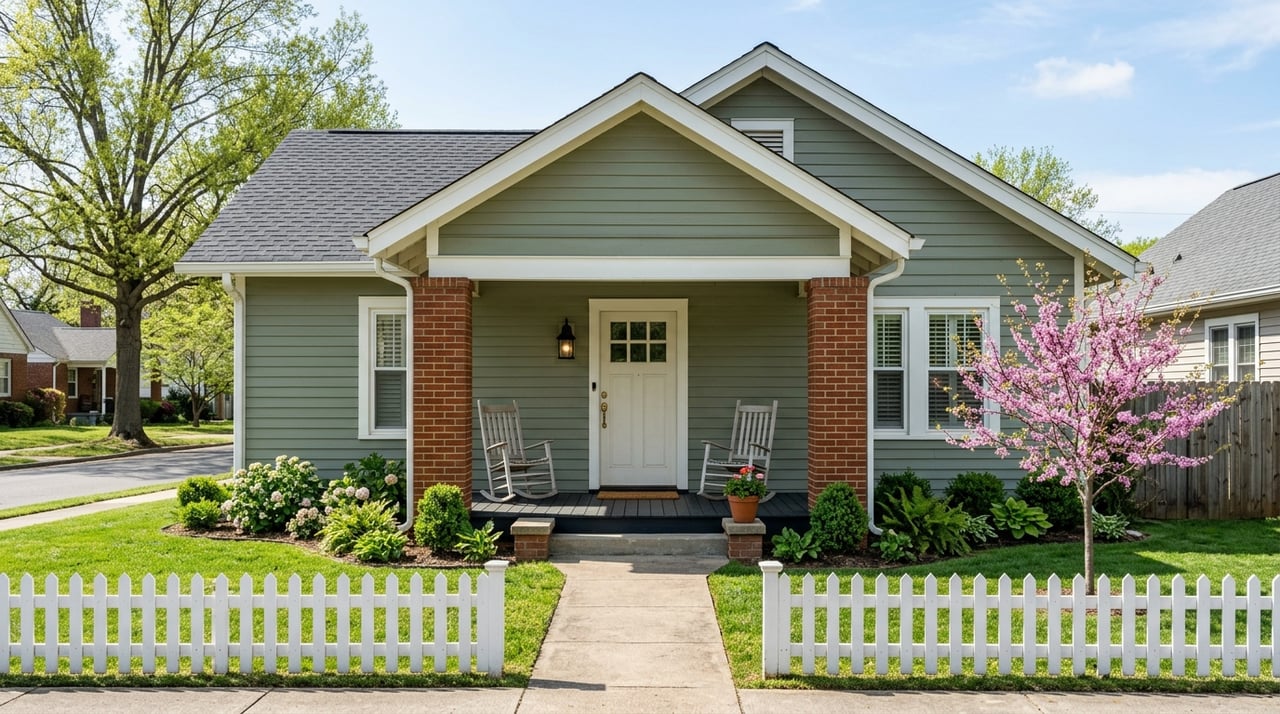
Buying your first home in Tipton County can feel simple at first. Then you realize that one “starter home” can mean a historic bungalow near downtown, a newer house in a subdivision, or a small rural property with extra land. If you want to compare your options clearly before you start touring, this guide will help you understand the tradeoffs and what each path may mean for your budget, commute, and day-to-day life. Let’s dive in.
Why starter homes vary in Tipton County
Tipton County does not fit one easy price point. In spring 2026, Zillow reported an average home value of $274,795, Redfin reported a median sale price of $326,022 for the three months ending in May 2026, and Realtor.com reported a median listing price of $340,000 with 340 active listings.
Those numbers use different methods, but they point to the same takeaway. Tipton County is not a one-price market where every first-time buyer is shopping from the same list. In many cases, you are balancing price with age, size, lot size, location, and expected maintenance.
Location also shapes how a home feels in daily life. Tipton County sits north of Memphis, Highway 51 runs through the county, Memphis is about 50 miles away, and the average commute time is 32.9 minutes. Most workers drive alone, so commute convenience often depends on how close you are to US-51 and the county’s more developed corridors.
Three common starter-home paths
For many buyers, starter-home choices in Tipton County fall into three broad groups:
- Older in-town homes, including bungalows
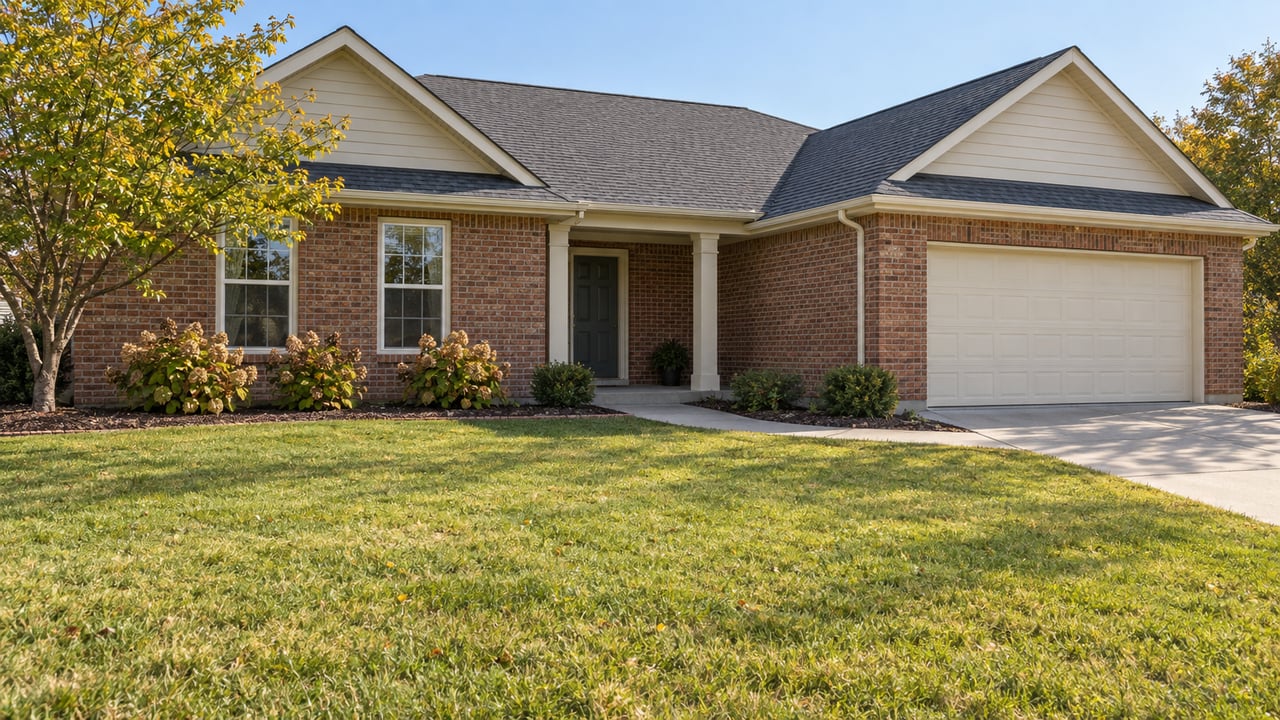
- Newer subdivision homes
- Small rural properties or acreage-style homes
Each option can work well. The best fit depends on what matters most to you, whether that is charm, predictability, commute ease, privacy, or room to spread out.
Older in-town homes and bungalows
Tipton County’s historic survey identified 756 properties and noted that many homes in the county were built before 1960. It also described bungalow and Craftsman homes as a common early 20th-century style, with broad porches, low-pitch roofs, and a strong horizontal look.
If you like character, an older in-town home may stand out right away. In places like Covington, these homes can offer a more central location and an established street pattern that feels connected to the town around it.
That said, older homes often come with more variables. The county survey notes that many surviving bungalows have been altered over time with synthetic siding, additions, or replacement windows. That means you may find a mix of original charm and later updates, rather than a fully preserved historic home.
Why buyers choose older homes
Older in-town homes can appeal to first-time buyers who want:
- Architectural character
- A more central location
- Established streets and lot patterns
- A home that feels different from nearby newer construction
Main Street Covington describes historic downtown as a walkable, connected district. For some buyers, that kind of setting adds real value to everyday life.
What to watch with older homes
Older homes may also bring more upkeep. Depending on the property, you may need to pay closer attention to repair history, replacement windows, additions, or aging systems.
If the home is in Covington’s historic zoning area, exterior work and new construction can require a Certificate of Appropriateness. That is an important detail to understand before you buy, especially if you already know you want to make visible exterior changes.
Newer subdivision homes
If you want a more predictable starter-home experience, a newer subdivision home may feel like the easiest fit. Tipton County’s historical survey says suburban growth from Memphis spread northward into the county from the 1970s forward, with much of that development occurring along U.S. 51.
County zoning helps explain why many of these homes cluster where they do. R-1 and R-2 districts are near urban areas where public water and sewer, or private wastewater treatment, is available. In practical terms, that supports a more conventional subdivision pattern.
Why buyers choose newer subdivisions
Many first-time buyers prefer newer subdivision homes because they often offer:
- Newer systems and features
- Fewer immediate repair concerns
- A more standard single-family layout
- Convenient access to developed areas and major roads
This can be especially helpful if you want a smoother move-in experience. If your commute matters, homes closer to US-51 and more developed parts of the county will usually feel more convenient than homes farther off the main corridors.
The tradeoff with newer homes
The biggest tradeoff is often lot size and variety. County zoning standards show why. In R-1 areas, lots can be as small as 15,000 square feet with public sewer or 30,000 square feet with private wastewater treatment.
That does not describe every subdivision, but it helps explain why newer developments can feel more compact than rural properties. You may gain a more predictable home setup while giving up some yard space and architectural uniqueness.
Small rural properties and acreage homes
Some buyers picture a starter home with space around it. In Tipton County, rural homes are not just larger-lot versions of subdivision houses. They often come with a different ownership experience.
The county’s growth framework says rural areas are intended to remain rural in character. The FAR district was designed to limit urban sprawl and exclude land uses that need urban services.
What rural starter homes can offer
Rural properties can be attractive if you want:
- More privacy
- More outdoor space
- A lower-density setting
- Room for future outdoor use, subject to property conditions and regulations
County standards for FAR lots are larger than typical subdivision lots. Under private wastewater treatment, the minimum is 1 acre per dwelling, with a 150-foot lot width. With public sewer, the minimum can be 1/2 acre.
What rural buyers should check closely
The extra space often comes with more due diligence. County subdivision regulations require septic-related documentation when public sewer or water is not available. Plans must also show sewage-disposal areas and water wells where those utilities are absent.
Tennessee rules also require permits for installing, altering, extending, or repairing septic systems. For you as a buyer, that means rural ownership may involve more site-specific questions about utilities, maintenance, and future property work.
Comparing the three options side by side
Here is the simplest way to think about these starter-home paths in Tipton County:
| Home type | Best known for | Common tradeoff |
|---|---|---|
| Older in-town home | Character and central location | More upkeep and possible exterior-review rules in some areas |
| Newer subdivision home | Newer systems and easier daily predictability | Smaller lots and less architectural variety |
| Small rural property | More land and privacy | More utility and maintenance complexity |
This is not about picking a universally “best” option. It is about matching the home style to the way you want to live and what kind of ownership responsibilities you feel ready to handle.
How to decide which starter home fits you
A good first step is to rank your priorities before you tour homes. If you focus only on price, you may miss the long-term cost of repairs, commuting time, or utility complexity.
Ask yourself a few practical questions:
- Do you want charm, or do you want fewer unknowns?
- How important is quick access to US-51 or developed areas?
- Would you rather have a smaller lot with simpler upkeep, or more land with more responsibility?
- Are you comfortable with possible rules tied to a historic zoning area?
- If a home relies on septic or a well, are you prepared for the extra due diligence?
Your answers can narrow the search quickly. That saves time and helps you compare homes on the factors that matter most to you, not just on list price alone.
Why total ownership cost matters
One of the biggest mistakes first-time buyers make is assuming the lowest purchase price always means the lowest cost of ownership. In Tipton County, that is not always true.
An older bungalow may cost less upfront but need more repairs. A newer subdivision home may cost more at purchase but bring fewer immediate surprises. A rural property may offer more land but also add costs tied to septic, wells, or land maintenance.
That is why it helps to compare homes as complete ownership packages. The right starter home is not just the one you can buy. It is the one you can live in comfortably and maintain with confidence.
If you are weighing these options in Tipton County, working with a local team that understands both suburban homes and selective land or acreage purchases can make the process feel much more manageable. When you are ready to compare your best-fit neighborhoods and home styles, 2 Rivers Realty LLC can help you sort through the details and move forward with confidence.
FAQs
What types of starter homes are most common in Tipton County?
- Many buyers compare older in-town homes, newer subdivision homes, and small rural properties because each offers a different mix of price, lot size, upkeep, and location.
What should first-time buyers know about commuting in Tipton County?
- Tipton County commuting is largely car-based, with an average commute time of 32.9 minutes, so homes closer to US-51 and developed corridors often feel more convenient.
What should buyers know about historic homes in Covington?
- In Covington’s historic zoning area, exterior work and some new construction require a Certificate of Appropriateness, so it is smart to review those rules before buying.
What makes newer subdivision homes different in Tipton County?
- Newer subdivision homes are typically found near urban areas with more conventional utility access, which can mean newer systems and a more standard residential setup.
What should buyers check before purchasing a rural home in Tipton County?
- Buyers should pay close attention to septic, well, sewage-disposal planning, and other site-specific utility details because rural properties may not have public sewer or water.
Is the cheapest starter home in Tipton County always the best value?
- Not necessarily, because lower-priced homes may bring higher repair, utility, or maintenance costs over time.