Thinking about selling your home in Shelby County but not sure where to start? You are not alone. From timing and pricing to inspections and closing costs, there are a lot of moving parts. This guide walks you through what matters most in our local market so you can plan confidently, avoid last‑minute stress, and maximize your net proceeds. Let’s dive in.
Know the Shelby County market
Shelby County is a collection of distinct submarkets. Memphis neighborhoods generally price and pace differently than suburbs like Bartlett, Collierville, Germantown, and Arlington. Your pricing and prep should match your immediate area rather than the countywide average.
Seasonality still plays a role. Many sellers see more activity in spring and early summer when buyers are out in force, though local inventory can shift outcomes. If your timeline is flexible, aim for that window. If not, a clear prep and pricing plan can help you win in any season. You can read general timing tips in this overview on getting a house market‑ready and sold from Zillow’s seller guide.
The most reliable way to set expectations is a recent, hyperlocal Comparative Market Analysis. Ask your agent for a CMA built from the past 30 to 90 days of sales and your current competition within your neighborhood, not just the broader county.
Build a prep plan that works
A thoughtful pre‑listing plan can speed up your sale and reduce back‑and‑forth after inspections.
Start with safety and systems
- Fix major issues first. Address roof leaks, foundation concerns, active water intrusion, and any electrical or gas safety hazards. These can derail offers or appraisals if left unresolved.
- Confirm essential systems work. Service your HVAC, water heater, and major appliances. Gather service records. Buyers and lenders look for evidence of care.
- Order a termite check if appropriate. In West Tennessee, lenders and title companies commonly ask for a wood‑destroying insect clearance letter. A pre‑listing WDI inspection can prevent surprises. Learn what a termite letter includes from this regional explainer on WDI letters and inspections.
Polish for photos and showings
- Tackle high‑ROI cosmetics. Neutralize paint, deep clean, declutter, replace burned‑out bulbs, update tired cabinet hardware and light fixtures, and handle obvious repairs. A fresh, move‑in‑ready feel photographs better and earns stronger first impressions. See more prep ideas in Zillow’s market‑ready checklist.
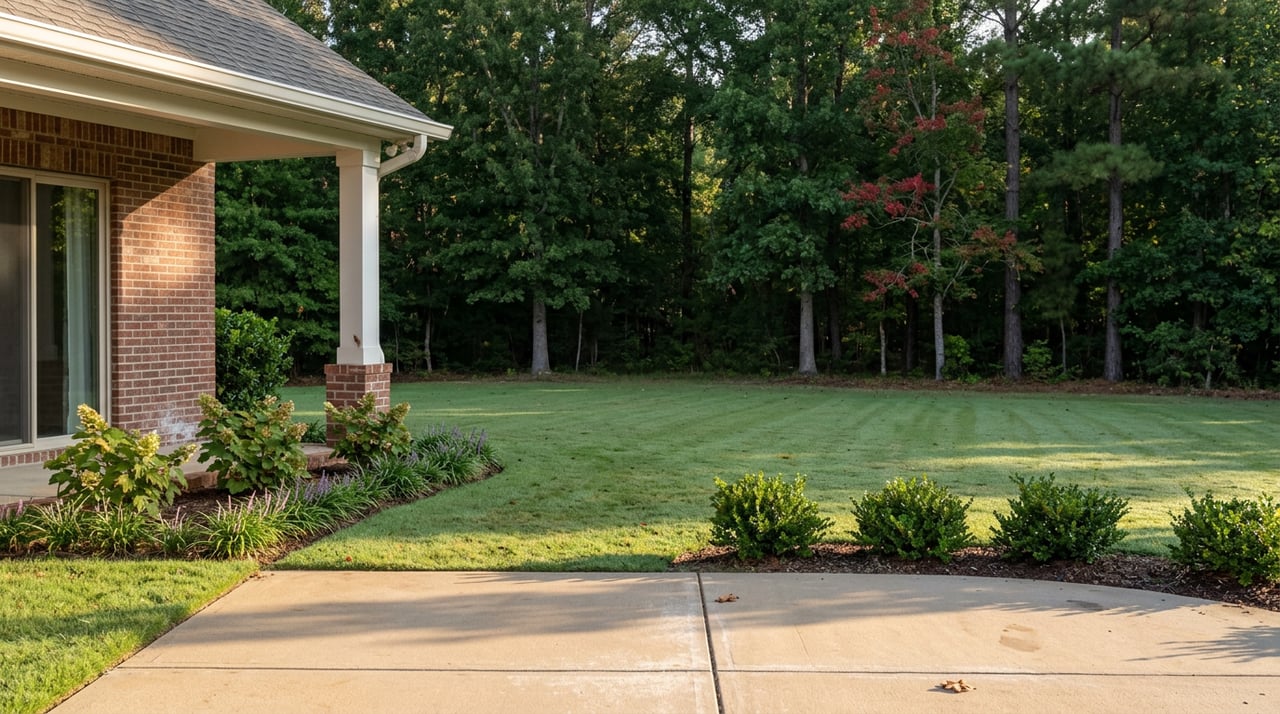
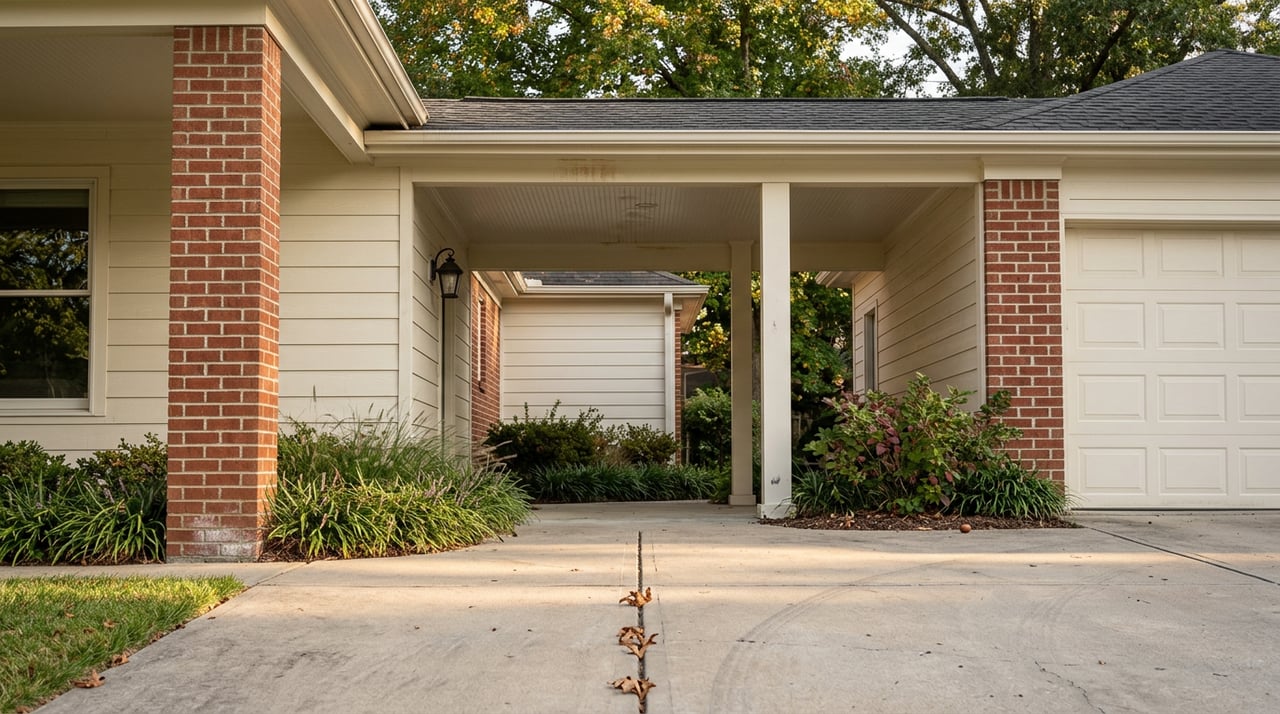
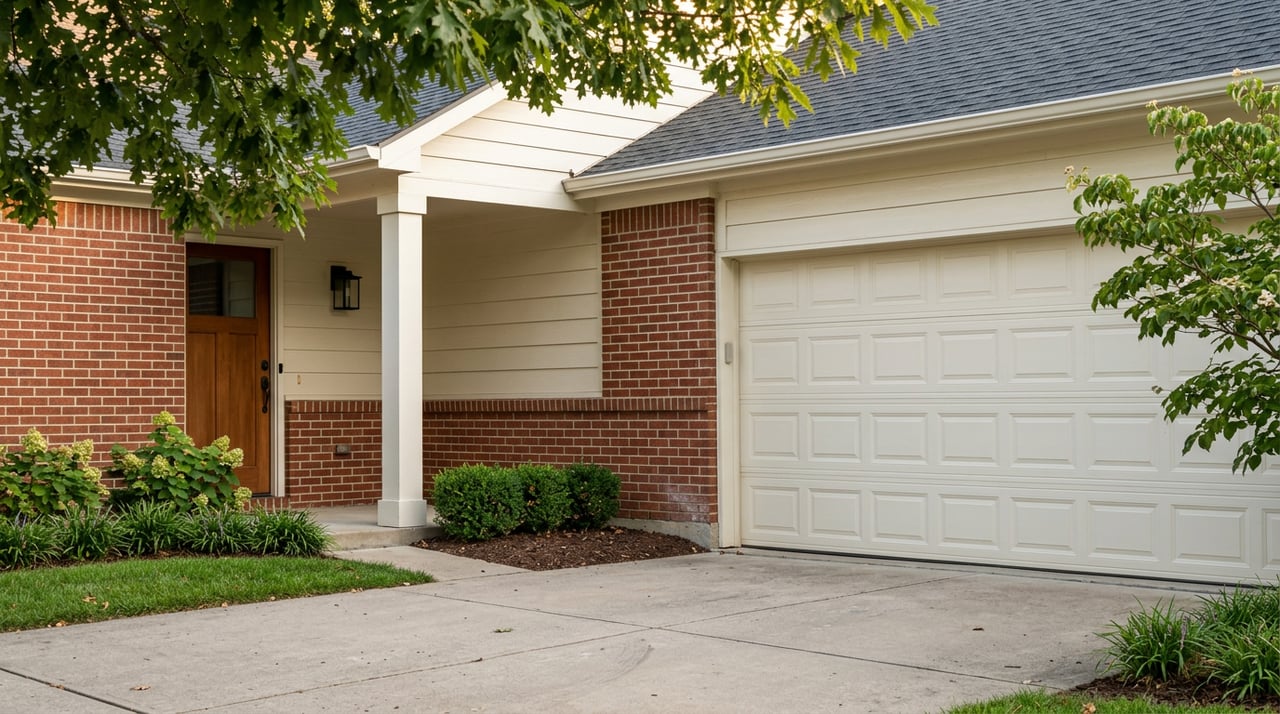
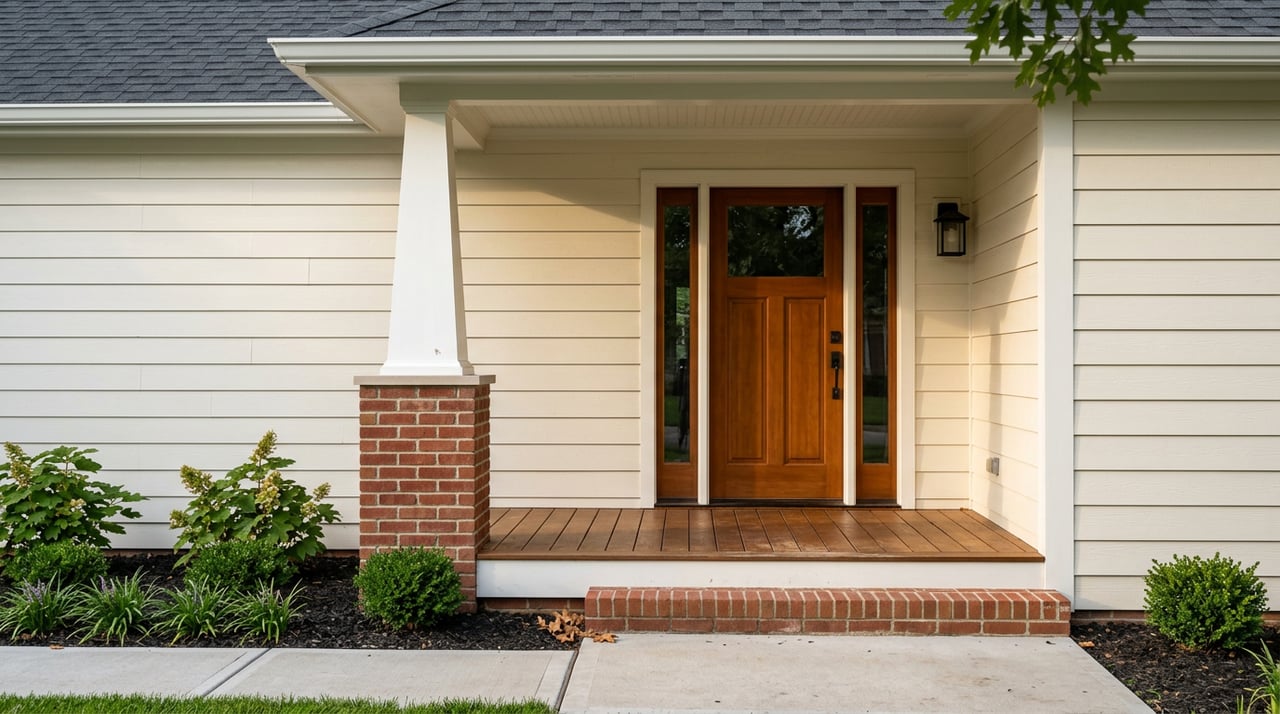
- Improve curb appeal. Mow, edge, add fresh mulch, pressure wash high‑traffic areas, and refresh the front door. Small exterior updates can have an outsized impact.
Consider pre‑listing inspections
- Pre‑listing home inspection. A seller‑ordered inspection can flag items you would rather fix on your schedule than renegotiate after the buyer’s report. Sharing a clean report can build buyer confidence, though most buyers will still complete their own inspection.
- Pre‑listing appraisal. This is optional but useful when you need a firm pricing number, such as for an estate or divorce. We recommend discussing whether it adds value for your situation.
Stage and market smart
Staging helps buyers visualize how they will live in the home. According to a National Association of Realtors snapshot, many agents report that staged homes sell faster and can see modest price lifts. You do not have to stage every room to benefit. Focus on the living room, kitchen, and primary bedroom, and consider virtual staging for vacant spaces. Read more in NAR’s summary on staging impact.
Typical costs vary by home and scope. Many sellers opt for a staging consultation or partial staging for key rooms. Virtual staging often comes in at a lower per‑image cost. Professional photography is a must and is usually a modest line item compared with the return.
Price, timing, and offer strategy
Use a hyperlocal CMA
Ask for a CMA that leans on the most recent closings and your direct competition. In mixed markets like Memphis vs. Collierville or Germantown, immediate neighborhood comps matter more than county medians.
Choose a pricing path
- Price to market. Listing competitively can maximize attention and sometimes drive multiple offers when inventory is tight. See general seller strategy guidance in Zillow’s getting‑ready guide.
- List at target price and negotiate. This approach can capture full value when inventory is balanced and you prefer a straightforward negotiation.
- Avoid pricing too high. Overpricing often stretches days on market and can lead to lower net after price reductions.
Understand commission and buyer‑agent changes
Following industry rule changes after 2024, many buyers now sign representation agreements and buyer‑agent compensation is handled more directly in negotiations. Compensation is still negotiable and local customs vary. Review your options with your agent and learn more from this overview of recent shifts in buyer‑agent commission practices.
Plan your timeline
Here is a simple, seller‑friendly cadence that fits many Shelby County homes. For deeper context on prepping and timing, see this practical seller overview.
- 8 to 12 weeks out: Select your listing agent, decide on any pre‑listing inspection or appraisal, and scope high‑impact repairs.
- 4 to 6 weeks out: Deep clean and declutter, schedule contractors, plan your staging approach, and begin packing non‑essentials.
- 1 to 2 weeks out: Complete touch‑ups, schedule professional photos, install the lockbox, finalize your listing description and disclosures, and pre‑book movers.
- Listing day to first two weeks: Expect the bulk of online views and showings. Review feedback and be ready to adjust price or terms if needed.
Showings, feedback, and security
Your goal is to make showings easy while protecting your privacy.
- Set showing windows and blackout times. Your agent can coordinate with a showing service and collect feedback to tune marketing and pricing.
- Step out during showings. This helps buyers focus on the home. Secure valuables, store prescriptions, and remove personal photos.
- Prep a quick “show‑ready kit.” Think fresh towels, a neutral candle, microfiber cloths for surfaces, and a laundry basket to scoop clutter.
- Plan for pets. Arrange boarding or short walks during showing windows.
Expect the contract flow
Once you accept an offer, you will move through inspections, appraisal, and final loan approval.
- Inspections and repairs. Most buyers order a general inspection and may bring in specialists. You can agree to complete repairs or offer a credit, depending on the issue and timeline.
- Appraisal. For financed purchases, the lender orders an appraisal to confirm value. Appraisal is about collateral for the loan, not condition details covered in inspections.
- Closing timelines. Financed deals commonly close in about 30 to 45 days from contract acceptance. Cash transactions can often close faster; see a general cash‑buyer timeline in this overview of cash purchases.
Disclosures, taxes, and closing costs in Tennessee
Understanding paperwork and fees helps you plan your net proceeds with confidence.
- Tennessee property condition disclosure. Most sellers of 1 to 4 unit residential properties must provide a written disclosure under the Residential Property Disclosure Act. You must answer based on your actual knowledge. There are limited exemptions. Review the statute text for details in the Tennessee code.
- Lead‑based paint rules for pre‑1978 homes. Federal law requires you to give buyers an EPA/HUD pamphlet and a lead warning statement, and it gives buyers a 10‑day inspection opportunity unless waived. Learn what is required from the EPA’s disclosure page.
- Transfer and recording taxes. Tennessee collects a realty transfer tax of $0.37 per $100 of value when you record the deed. Who pays is negotiable and varies by contract. See filing guidelines on the Shelby County Register of Deeds site.
- Property tax proration. County taxes are prorated at closing, with the seller typically paying through the closing date. Check current schedules and payment windows with the Shelby County Trustee.
- Typical seller costs. Plan for agent commissions, prorated taxes and HOA dues, any agreed repairs or credits, an owner’s title policy if negotiated that way, and recording and settlement fees. Total costs, aside from mortgage payoff, often land at several percent of the sale price depending on commission and terms. Ask your agent or title provider for a custom net sheet.
Move logistics for downsizers and relocators
Start early. Get two or three moving quotes, especially if you plan a weekend move in spring or early summer. Map utility shutoff and start dates, and consider short‑term storage or a month‑to‑month lease if you need a gap between closings. If school calendars matter to your family, coordinate list and close dates so your move lands near summer break. For more timing tips, see this seller prep overview.
Why list with a local, broker‑led team
You deserve more than a sign and a syndication feed. As a Bartlett‑based, broker‑led team, we pair hands‑on neighborhood expertise with modern marketing, pro photography, and clear communication from consult to closing. We specialize in suburban single‑family homes across Shelby County and handle the details that keep your timeline on track, including:
- A data‑driven CMA tailored to your submarket
- A practical prep plan with vetted local vendors
- Staging guidance and high‑impact marketing assets
- Showing coordination, feedback, and weekly check‑ins
- Offer strategy, negotiation, and closing support
Ready to see what your home could sell for right now? Get an instant estimate and a personalized game plan. Reach out to 2 Rivers Realty LLC to get started.
FAQs
What should I fix before selling a house in Shelby County?
- Prioritize safety and function first. Address roof leaks, water intrusion, and electrical or gas hazards, then confirm HVAC and major appliances work. After that, focus on high‑ROI cosmetics like paint, deep cleaning, minor repairs, and curb appeal.
When is the best time to sell a home in Shelby County?
- Spring into early summer typically draws more buyers, which can help speed up your sale, though local inventory and pricing matter just as much. If timing is fixed, a focused prep and pricing plan can help you perform well in any season.
Do I need a termite letter to sell in West Tennessee?
- Many lenders and title companies request a wood‑destroying insect clearance letter. Ordering a pre‑listing WDI inspection can surface issues early and reduce risk of delays later.
What disclosures are required for Tennessee home sellers?
- Most sellers must provide the Tennessee Residential Property Condition Disclosure. If your home was built before 1978, federal lead‑paint disclosures also apply. Your agent will supply the correct forms.
How long does it take to close after I accept an offer?
- Financed transactions commonly take about 30 to 45 days from contract to closing. Cash deals can close faster, depending on title work, appraisal needs, and availability of parties.
What closing costs should I expect as a seller in Shelby County?
- Expect commission, prorated property taxes and HOA dues, recording and settlement fees, an owner’s title policy if negotiated that way, and any agreed repairs or credits. Ask your agent or title company for a custom net sheet for your address.